
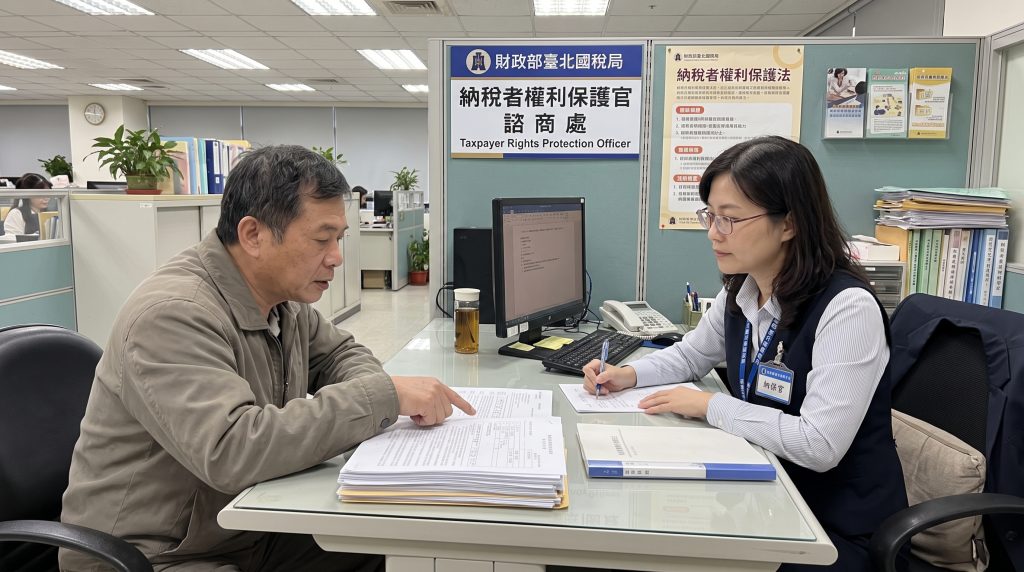
2026年9月17日 台灣省會計師公會 專題分享
受邀到台灣省會計師公會,分享:台灣納稅者權利保護官制度與實施現況的現狀觀察。這不是一份嚴謹的調查報告,比較像是拉開距離,看這個制度大約十年來怎麼演變、實際上發揮了什麼效果。
同為納保官制度,台灣與國外定位不同
台灣的納稅者權利保護法設了「納稅者權利保護官」,名字直接借用歐美國家的 Taxpayer Advocate 的名,制度內容則有自己的道路。當初立法時,財政機關希望納保官由官方自行選拔,設在機關內部辦公室,採「任務編組」、兼任方式運作。
這跟歐美的制度精神差異很大,也讓外界一直有個疑問:當納稅義務人跟機關利益衝突的時候,一位身兼機關職務、又是任務編組的納保官,真的能秉公辦理嗎?
今年修法:引進外部力量
或許是為了回應這樣的質疑,今年的修法增訂了一項:納保官得由外部專家學者擔任,希望朝獨立性跟多元性的方向發展。
有意思的是,母法原本的立法目的其實就有意找外部人士,只是後來的施行細則直接把它限縮成內部人員專任。這次修法某種程度上,是把原本被子法收窄的空間,重新打開而已。
新法在納保官的職掌上沒有變動,仍是協助溝通協調稅捐爭議、受理陳情建議、提供諮詢協助、每年提出工作報告,並可為必要之調查;差別只在多了一句「得由外部專家學者擔任之」,至於資格條件是什麼,法規並沒有進一步規範。換句話說,會計師、律師與學者,乃至於退休的稅官,未來都有可能被延攬諮詢或聘任。
財政主管機關為何堅持「內部人選」?
我個人認為,這背後跟台灣特有的檢舉獎金制度與圖利罪的不明確性,脫不了關係。台灣的檢舉獎金可以從罰鍰裡抽20%,上限新台幣480萬元,金額不算小,自然會養出檢舉人的期待與懷疑心理——為什麼這個案子只補稅、不處罰?過去就曾有台北國稅局局長因此被檢察官起訴。
基層稅務人員的兩難
這牽動出第二個問題:行政責任跟內部考核。當一個案子存在事實認定或法律解釋的模糊空間,稅官若做出對納稅人有利的解釋,競爭對象或檢舉人可能就會質疑這是「圖利」,甚至驚動檢調。
於是基層稅務人員經常選擇自保:採取較嚴格的認定,把案子推向複查、訴願、行政訴訟,讓原本在第一線就能解決的問題,拖成一場曠日費時的攻防戰——過程勞民傷財,卻能有效分散行政責任。
這種現象某種程度上也跟考試科目、養成教育有關:稅務人員的專業訓練重心放在稅法規定細節跟稅額計算,對稅法原理、行政法一般原則跟法律解釋的訓練相對薄弱。在這樣的背景下,基層人員如果採取保守、僵化、偏向追稅的處理方式,選擇比較不利納稅人的解釋,便成為自保之道。
兩個案例,兩種尷尬
案例一:房地合一稅。 有人在114年出售新制時代取得的房地,未申報房地合一稅,遭補稅90萬元。事實上這筆房地早已符合優惠稅率規定,只是承辦稅官沒有主動告知——也許是認為這該由納稅人自己了解、主動申請,主動說明是不是會越俎代庖,甚至構成圖利嫌疑。後來納稅人求助納保官,納保官一看資料立刻確認符合優惠條件,補稅金額瞬間降為8萬元。
案例二:退職所得的認定。 一位退休人士收到綜合所得稅單,發現自己被課了跟公司總經理一樣多的稅,才驚覺公司誤將280萬元的退職金填報為薪資所得。依所得稅法第14條,薪資所得與退職所得分屬不同類型,退職所得因為是一次性給付、酬勞過去努力,設有較高的免稅門檻。等他想釐清問題時,公司已經解散,國稅局則堅持「依扣繳憑單認定,沒有錯」。案子最後轉到納保官手上,才確認這是因終止僱傭關係、公司歇業而生的退職所得,金額863,000元根本不到當年課稅門檻,從應稅所得變成免稅所得。
這真的是「正面案例」嗎?
有意思的是,稅務機關很樂意把這類案子提供給媒體報導,當作納保官積極介入的正面示範。但我把這兩個案子放到臉書社團分享後,不少同業卻有不同看法:這些案子本身再簡單不過,為什麼一定要納保官出面才能正確適用法律?與其說是正面案例,不如說暴露出的是負面訊號。
換句話說,這從來不是單純的法律問題,而是機構內部行政文化、責任風險與決策模式共同作用的結果。
跟歐美原初設計的落差
在這樣的情況下,納保官反而變成促成合理解決的重要角色,這跟一般人民原本的期待有明顯落差,也跟歐美設置這個職位的初衷不太一樣。以美國為例,Taxpayer Advocate 的核心任務是避免機關追稅追到人民破產;台灣納保官實際扮演的角色,顯然走了一條不太一樣的路。
外部專家真能解決問題嗎?
長期來看,納保官的功能不應只是個案協調。理想的狀態,是慢慢讓基層承辦人員理解「事情其實不像原來想的那樣」,進而更有信心地在個案裡做出合理的事實認定與法律解釋——這個方向是正向的。
但外部專家介入是否真能帶來更好結果,我認為還需要時間觀察。畢竟稅務機關是個相對封閉的體系,稅務程序又複雜,外部人士未必容易掌握箇中細節。我大膽猜測,將來即便選任外部專家,很可能還是由原本的稅官退休後轉任——這樣的走向會不會成真,值得繼續觀察。
以上就是這次的分享,謝謝大家指教。
Reflections on Taiwan’s Taxpayer Rights Protection Officer System: A Decade of Evolution
September 17, 2026 | Special Presentation at the Taiwan Provincial CPA Association
I was recently invited to the Taiwan Provincial CPA Association to share observations on the current status and implementation of Taiwan’s Taxpayer Rights Protection Officer (納稅者權利保護官) system. Rather than a formal research report, this is a step back to examine how the mechanism has evolved over the past decade and what actual effects it has produced.
A Different Path from Western Counterparts
Taiwan’s Taxpayer Rights Protection Act established the Taxpayer Rights Protection Officer, borrowing the title directly from Western “Taxpayer Advocates.” However, the actual substance took its own course. During the legislative process, the Ministry of Finance sought to select officers internally, house them within existing agency offices, and operate them on an ad hoc, concurrent basis.
This departs significantly from the spirit of Western systems, sparking persistent external doubts: When conflicts of interest arise between taxpayers and tax authorities, can an officer holding a concurrent post inside the agency truly remain impartial?
This Year’s Reform: Bringing in External Expertise
Likely responding to these concerns, a statutory amendment this year added a provision: officers may now be external experts and scholars, moving toward greater independence and diversity.
Interestingly, the original legislative intent of the parent statute already favored appointing external figures. Subsequent enforcement rules, however, narrowed the pool strictly to internal personnel. In a sense, this amendment simply reopens the statutory space that had been constrained by sub-laws.
The amendment does not alter the officer’s statutory duties. They still assist in communicating and mediating tax disputes, accepting petitions and suggestions, providing consultation, submitting annual work reports, and conducting necessary investigations. The only change is the phrase “may be served by external experts and scholars.” Specific qualification criteria remain unprescribed. In other words, CPAs, attorneys, academics, and even retired tax officials could potentially be consulted or appointed.
Why the Finance Ministry Insisted on Internal Appointees
In my view, this stance is inextricably linked to Taiwan’s unique informant reward system and the ambiguity surrounding the criminal offense of “profiting a third party” (圖利罪). Taiwan offers informant rewards of up to 20% of the penalty, capped at NT$4.8 million. Because the sum is substantial, it naturally fuels expectations and suspicion: Why was this taxpayer only assessed back taxes without a fine? In the past, a director-general of the National Taxation Bureau of Taipei was even indicted by prosecutors under such circumstances.
The Dilemma for Frontline Tax Officers
This leads to a second dilemma: administrative liability and internal evaluations. When an issue contains gray areas in factual determination or legal interpretation, an officer adopting a taxpayer-favorable reading risks accusations of “unlawful profiting” from competitors or informants, potentially triggering criminal investigations.
Frontline tax officers consequently resort to self-preservation. By applying rigid interpretations and pushing disputes into reassessments, administrative appeals, and litigation, issues that could have been resolved on the frontline turn into prolonged legal battles. While costly and exhausting for the public, this tactic effectively dilutes personal administrative liability.
This behavior also stems from civil service examinations and professional training. Tax officers are trained extensively in detailed tax code provisions and tax calculations, but training in general principles of administrative law and statutory interpretation remains relatively thin. Against this backdrop, adopting conservative, rigid interpretations skewed toward revenue collection serves as a frontline survival mechanism.
Two Cases, Two Dilemmas
- Case 1: The Consolidated Real Estate and Land Tax
A taxpayer sold real estate acquired under the post-reform tax regime in 2025 (Year 114) but failed to declare it, incurring an assessed back-tax of NT$900,000. In reality, the property qualified for a preferential tax rate. The handling officer never informed the taxpayer—perhaps assuming taxpayers must know and apply for it themselves, or fearing that proactive explanations might overstep authority or invite suspicion of unlawful profiting. Once the taxpayer turned to a Taxpayer Rights Protection Officer, the officer reviewed the file, verified eligibility for the preferential rate, and the back-tax dropped instantly to NT$80,000. - Case 2: Determining Retirement Income
A retiree received a comprehensive income tax bill showing he was taxed at the same level as his former company’s general manager. He discovered the company had mistakenly reported his NT$2.8 million retirement payout as regular salary income. Under Article 14 of the Income Tax Act, salary and retirement income are distinct categories; because retirement payouts are one-off compensations for past service, they enjoy a significantly higher tax-exempt threshold. By the time he sought clarification, the company had dissolved, and the National Taxation Bureau insisted: “We rely strictly on the withholding statement; there is no error.” When transferred to a Taxpayer Rights Protection Officer, it was confirmed that the payment was retirement income arising from termination of employment and company closure. The actual sum of NT$863,000 fell well below that year’s taxable threshold, converting taxable income entirely into exempt income.
Are These Truly “Positive Cases”?
Tax authorities readily share such cases with the media as proof of the officer’s proactive intervention. Yet when I shared both cases in a professional Facebook group, many peers viewed them differently: These situations were straightforward. Why should it take a Taxpayer Rights Protection Officer just to apply basic law correctly? Rather than positive demonstrations, they expose a negative signal.
It was never just a matter of law, but the outcome of internal administrative culture, liability risks, and bureaucratic decision-making patterns.
The Gap from Original Western Concepts
In this environment, the officer has turned into a mechanism for securing reasonable solutions. This departs from the public’s original expectations, as well as the initial intent of Western models. In the United States, a core mission of the Taxpayer Advocate is preventing aggressive tax collection from driving citizens into bankruptcy. Taiwan’s officers have clearly taken a different path.
Can External Experts Solve the Problem?
Over the long term, the officer’s role should not be limited to case-by-case mediation. The ideal scenario is gradually helping frontline handlers realize that circumstances are not always as rigid as assumed, instilling confidence to make sound factual findings and legal interpretations. That is the positive trajectory.
Whether introducing external experts will yield better outcomes requires observation. The tax bureaucracy remains a relatively closed system with complex procedures that outsiders may struggle to navigate. My guess is that even with external appointments permitted, the role may still be filled largely by retired tax officials. Whether this prediction comes to pass remains to be seen.
Thank you all for your feedback and discussion.
